Advanced Sliding Door Options for Small Spaces: Make the Most of Your Space
Creative sliding door options provide practical advantages for maximizing small spaces. By eliminating the need for swing clearance, these doors create smooth transitions between spaces. Choices such as pocket doors and bypass doors improve space efficiency while incorporating materials like glass increases natural light and openness. As metropolitan residential spaces progressively decrease in size, understanding the various types and features available becomes essential for effective design. Which particular options can convert a small space into a practical retreat?
Why Sliding Doors Are Ideal for Small Spaces
Sliding doors deliver a range of advantages especially ideal for compact areas. Their construction facilitates seamless shifts from room to room without requiring extra floor area for arc clearance. This characteristic proves especially advantageous in tight spaces where maximizing space is essential. Furthermore, sliding doors are capable of improving the flow of natural light, generating the appearance of a more expansive environment.
Many sliding door styles feature glass panels, which not only brighten interior spaces but also foster a seamless visual flow between interior and exterior areas. Moreover, sliding doors offer customization options to accommodate numerous style preferences, giving homeowners to maintain their unique style while enhancing the use of space.
Moreover, they are frequently fitted with clutter-reducing hardware that minimizes clutter, additionally boosting the room's functionality. All things considered, sliding doors serve as an efficient solution for small areas, combining practicality with modern design to optimize both usability and visual appeal.
Choosing the Right Type of Sliding Door
When picking out the most suitable type of sliding door for a small space, there are several factors to keep in mind. For starters, the size and configuration of the door play a key role. A pocket door, which retracts into the wall, can maximize floor space and improve accessibility. On the other hand, bypass sliding doors move parallel to one another, making them a good fit for tighter openings.
Next, the appearance of the door should match the overall decor of the room. Selections vary from timeless to cutting-edge designs, allowing homeowners to align the door with their decor. Additionally, utility is a key factor; many doors come equipped with superior insulation or acoustic properties, making them ideal for multi-use spaces.
Lastly, installation and maintenance ease plays a significant role. Property owners should assess whether professional installation is needed and what level of upkeep the door will entail. Through assessing these aspects, individuals are able to find a sliding door that enhances both functionality and visual appeal.
Innovative Materials for Sliding Doors
The selection of materials greatly impacts the performance and visual appeal of modern sliding doors. Available options encompass glass, wood, metal, and composite materials, each offering unique benefits. Glass sliding doors, for instance, maximize natural light and foster a sense of openness, making them perfect for smaller spaces. They are available framed in aluminum or wood to enhance durability and aesthetic appeal.
Timber provides a warm aesthetic and can be customized in numerous surface treatments, offering a timeless look that suits classic interior spaces. Steel and aluminum doors, commonly constructed with aluminum or steel, offer strength and security while retaining a polished, modern appearance.
Blended materials combine the strongest features of timber and man-made materials, delivering durability against moisture and structural warping. This range allows residents and interior designers to identify sliding doors that align with their specific needs and aesthetic preferences, ultimately optimizing both space and style in smaller living spaces.
Smart Space-Saving Solutions With Sliding Doors
A carefully installed sliding door can significantly improve the usability of limited spaces. By doing away with the need for swing space, sliding doors create more usable area, making them perfect for compact rooms. Selecting a pocket sliding door can additionally maximize the available area, as it slides neatly into the wall when opened, keeping floor space clear.
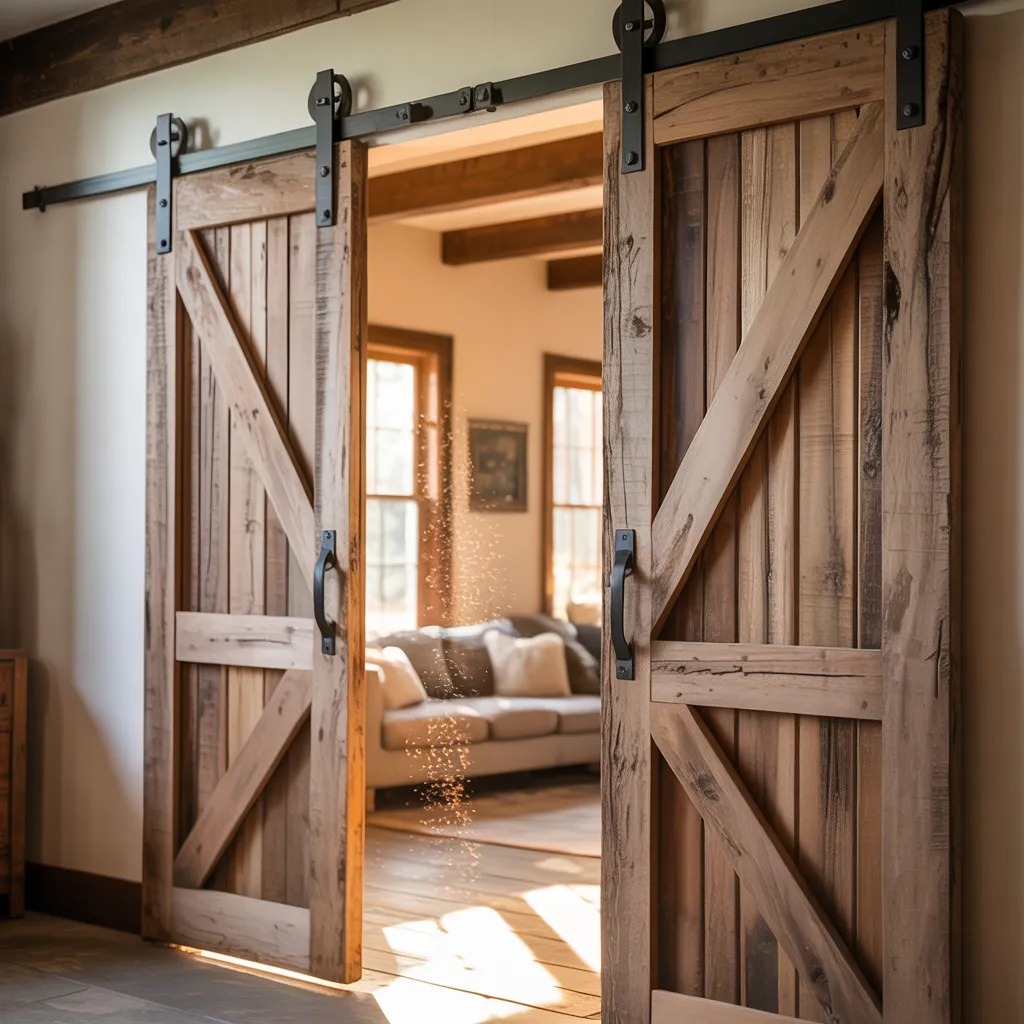
Installing mirrored sliding doors can create the appearance of additional space while supplying necessary storage space. For narrow hallways or entryways, a rustic barn-style sliding door can bring warmth without affecting room size.
To maximize versatility, consider multifunctional sliding door systems that separate living areas while accommodating open-plan living when needed. Additionally, utilizing lighter materials can ease the operation of the door, ensuring smooth changes. These actionable suggestions can transform small spaces into functional, stylish environments, proving that impressive design is possible without extensive space.
Smart Features for Privacy and Natural Light
In what ways can smart technology improve privacy while still permitting natural light to pass through sliding doors? Contemporary sliding doors featuring smart technology provide creative approaches to accomplishing both goals. Glass panels are capable of offering customizable opacity levels, permitting users to switch from transparent to frosted at the tap of a button. This capability ensures that natural light flows into the area while preserving privacy as required.
Additionally, automated window treatments, such as smart blinds or shades, can be configured to operate based on the time of day or occupancy, providing flexibility and convenience. Light sensors can measure ambient brightness, altering the shading or opacity to balance both privacy and illumination. Moreover, compatibility with home automation platforms enables homeowners to manage these features remotely, improving security and comfort. Such developments not only maximize the functionality of small spaces but also promote a harmonious balance of illumination and seclusion.
Sliding Door Installation and Maintenance Tips
Proper installation and upkeep of sliding doors can significantly improve their durability and performance. Effective installation commences with exact measurements to secure a tight fit within the frame. It is essential to align the track and firmly secure it, which avoids future functional problems. Consistently inspecting and clearing the tracks is necessary; dust and particles can obstruct motion. Applying silicone spray to the rollers and tracks assists in preserving seamless functionality.
To maintain performance, examining the door seals on a routine basis can stop drafts and moisture from entering. Additionally, addressing any scratches or dents promptly preserves the aesthetic appeal. When misalignment occurs, repositioning the rollers may fix the concern. Homeowners should study also examine the locking mechanisms to guarantee that security remains intact. By adhering to these installation and upkeep guidelines, homeowners can extend the performance and durability of their sliding doors, rendering them a worthwhile enhancement for limited spaces.

Questions We Often Receive
Can Sliding Doors Improve Home Energy Efficiency?
Sliding doors have the potential to boost home energy efficiency by offering improved insulation and minimizing air leakage. Premium sliding doors, equipped with energy-efficient glass, work to sustain interior temperatures, effectively reducing heating and cooling expenses for homeowners.
Are Sliding Doors Safe for Children and Pets?
Sliding doors may present safety hazards for kids and animals due to their glass construction and potential for accidental opening. Nevertheless, protective features such as tempered glass and sturdy locks can address these concerns efficiently.
What Is the Best Way to Clean Sliding Door Tracks?
To wash sliding door channels effectively, you should begin by removing debris with a vacuum cleaner or brush, followed by utilize soapy water and a cloth to clean the sliding tracks. Rinse and dry thoroughly to prevent future buildup.
What Is the Typical Lifespan of a Sliding Door?
The typical lifespan of a sliding door typically ranges from 20 to 30 years. Key factors impacting durability include material quality, maintenance, and environmental conditions, all of which have a considerable impact on the door's overall lifespan.